Key Takeaways:
Why Small Businesses Need To Take Cyber Security Seriously
- Small businesses are frequently targeted because attackers assume weaker security and slower recovery.
- Downtime can be as damaging as data theft, especially if you cannot invoice, trade, or access key systems.
- Common attacks include ransomware, phishing, and customer data breaches.
- Basic cyber hygiene reduces risk: training, strong passwords, MFA, backups, and patching.
- Cyber insurance can help cover response costs, business interruption, legal support, and recovery expenses.
Cybercrime Is Not
Just For Big Businesses
Think cybercrime is something only big corporations must worry about? Think again. While major data breaches at household names grab the headlines, it is small businesses that are increasingly in the crosshairs.
Many owners still believe they are too small to be noticed. In practice, cybercriminals often see small businesses as easier targets with fewer resources, weaker defences, and more to lose when systems go down.
If you want to sanity check your broader protection across your operations, start with Business Insurance and build from there.
Why Small Businesses
Are Being Targeted
Cybercriminals are opportunistic. They often go for the easiest entry points. Small businesses may lack dedicated IT teams, mature cybersecurity infrastructure, and regular awareness training, which can make them more vulnerable.
Common reasons attackers focus on small operations include:
- Weaker security protocols: Reliance on basic antivirus or free tools that may not stop modern threats.
- Limited awareness: Without staff training, phishing and social engineering attempts can slip through.
- Third party vulnerability: Small businesses can be a stepping stone into larger supply chains.
- Lack of backup and recovery plans: If data is lost or held ransom, recovery can be slow and costly.
Real World Consequences
Of A Cyber Attack
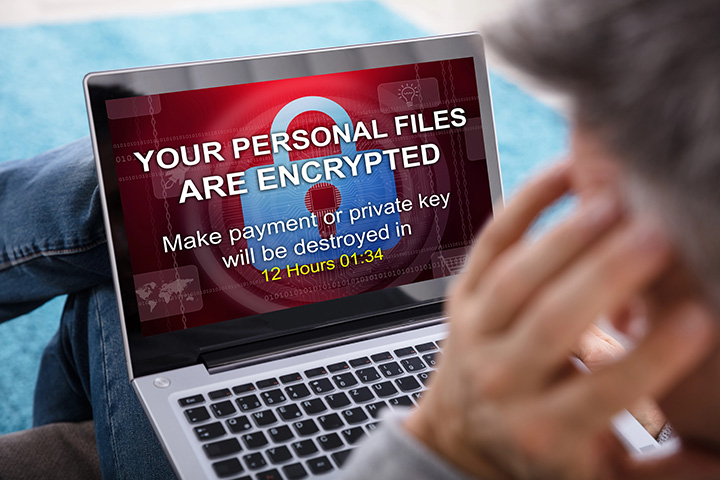
A cyber incident can disrupt operations overnight. Common scenarios include:
- Ransomware attack: Files are encrypted and access is held for payment, with no guaranteed outcome.
- Phishing scam: An employee clicks a fake invoice or link, giving attackers access to systems.
- Data breach: Customer data is stolen, creating reputational damage and potential compliance pressure.
Even if the incident starts small, the flow on effects can be significant, especially if you cannot trade while systems are restored.
What Is At Stake
When Systems Go Down
The cost of a cyber incident is not just IT repairs. It can include downtime, lost revenue, customer churn, legal and compliance costs, and the time required to restore operations.
For many businesses, the real risk is survival. A serious incident can become an existential threat if recovery takes weeks or cash flow stops.
What You Can Do
To Reduce Your Risk
You do not need a large IT department to improve cyber resilience. Start with the fundamentals:
1. Educate your team
Most incidents begin with human error. Train staff to spot suspicious emails, links, and attachments.
2. Use strong password practices
Enforce unique, complex passwords and use multi factor authentication where possible.
3. Back up your data
Keep backups in secure locations and test your restore process. Backups that cannot be restored are not backups.
4. Update your software
Outdated systems are easier to exploit. Enable automatic updates across operating systems and security tools.
5. Consider cyber insurance
Even with good controls, breaches can still happen. Cyber insurance can help fund response, recovery, and interruption costs.
Why Cyber Insurance
Matters For Small Business
Cyber insurance is no longer a nice to have for many industries. A tailored policy can help cover breach response support, recovery costs, legal assistance, and business interruption, depending on the policy terms.
If your business relies on digital systems to quote, invoice, process payments, or store customer information, cyber risk is part of your operational risk. Reviewing cover alongside Business Insurance can help you avoid blind spots.
Need Help Finding
The Right Cover
If you are unsure what level of cyber cover is appropriate, or where to start, speak with a broker who can explain the options in plain English and align cover to your real world exposure.
Start with a broader review of your protection here: Business Insurance.
FAQs About
Cyber Insurance For Small Business
Attackers often assume small businesses have weaker security, less training, and fewer recovery resources. That can make them easier to disrupt and easier to pressure into paying.
Phishing is one of the most common entry points. It can lead to compromised accounts, fraudulent payments, ransomware, or a wider data breach.
Cover varies by policy, but it may include incident response costs, data recovery, legal support, notification expenses, and business interruption. Always check limits, inclusions, and exclusions.
Good controls reduce risk, but they do not eliminate it. Insurance can provide financial support and access to response resources if a serious incident still occurs.
Implement multi factor authentication, patch critical systems, improve password practices, run a phishing awareness refresher for staff, and confirm backups can be restored.